Turkey, a country renowned for its rich history and vibrant culture, finds itself at the forefront of a revolution in the field of hair restoration. The latest advancements in follicular technology, specifically the Direct Hair Implantation (DHI) technique, are transforming the landscape of hair transplants, offering renewed hope to those battling hair loss. These cutting-edge procedures, primarily conducted in Istanbul, are gaining global acclaim for their efficiency and impressive results. This piece delves into the intricate world of DHI transplantation, the reasons behind Istanbul’s prominence in this field, and the patient journey from initial consultation to eventual recovery. It will further shed light on the promising future of follicular technology.
Unveiling the Intricacies of the DHI Transplantation Method
The DHI transplantation method has risen in popularity within the field of hair restoration, particularly within the context of Turkey’s medical tourism market. This method, which stands for Direct Hair Implantation, provides a less invasive alternative to traditional hair transplantation techniques, such as FUE (Follicular Unit Extraction) or FUT (Follicular Unit Transplantation). The key to the DHI procedure lies in the utilization of a patented tool known as the Choi Implanter, which allows for the simultaneous extraction and implantation of hair follicles. The graft is taken from a donor area, and then placed directly into the operation site, reducing the time the follicles spend outside the body, thereby increasing their survival rate and overall effectiveness of the hair transplant. A significant advantage of the DHI technique is the absence of scars, as the transplant does not involve any incisions or sutures.
Despite these benefits, potential candidates for DHI hair transplant in Turkey should remain informed about the possible drawbacks. While the DHI method allows for a higher density of grafts, it requires more time compared to other procedures. This, along with the specialized training required for surgeons, often results in higher costs. Additionally, as with any surgical procedure, there can be risks and potential complications, such as infection or adverse reactions to anesthesia.
Why Istanbul Clinics are Leading the Way in Hair Restoration
Innovations in follicular technology are bringing a new dawn in the hair restoration industry. Turkey’s Istanbul Clinics are leading the pack with advanced procedures, such as Direct Hair Implantation (DHI) that have proven efficacy in addressing hair loss. Studies of cases and patient testimonials provide compelling evidence of the success of these procedures. Remarkable transformations illustrated in before-and-after images testify to the prowess of qualified and certified doctors.
Istanbul clinics have earned a reputation for their commitment to quality care and best practices in hair restoration. Through the DHI technique, hair follicles are extracted one by one from the donor area and implanted directly to the thinning area on the scalp. The procedure offers a host of benefits over traditional techniques, including less pain, faster recovery, and more natural-looking results. Easy-to-understand illustrations and diagrams can further demystify this process.
These clinics not only provide superior medical services but also offer comprehensive assistance with travel, accommodation, and post-operative care. Guarantees offered by these clinics offer additional peace of mind. Data, statistics, and case studies further showcase Istanbul’s hair restoration clinics’ unparalleled services, competitive prices, and highly qualified doctors. Patient testimonials underscore the high satisfaction rate and the exceptional results achieved.
Unraveling the Patient Experience: From Consultation to Recovery
Embarking on the journey of DHI hair transplant in Turkey offers an opportunity for transformation, with each stage holding its own unique importance. Understanding the patient experience is essential, from the initial consultation to the recovery process.
Pre-Procedure Consultation and Choosing the Right Clinic
Before the treatment commences, a critical stage is the pre-procedure consultation. This is where the medical team evaluates the patient’s suitability for the procedure and discusses the expected results. Choosing the right clinic is vital, as the expertise of the team and quality of service significantly influence the success of the treatment.
Navigating the DHI Hair Transplant Surgery
The DHI hair transplant surgery is a precise process conducted under local anesthesia. During the procedure, follicles are extracted one by one from the donor area and implanted in the balding area. The treatment is minimally invasive, ensuring a comfortable experience for the patient.
Post-Procedure Care and Recovery Journey
Post-procedure care is paramount to ensure the success of the surgery. This involves following the prescribed medication regimen and taking care of the scalp as it heals. The recovery journey varies among patients, but with proper care, visible results can be seen within six to twelve months.
The Future of Follicular Technology: Advancements and Innovations
The relentless evolution of follicular technology, notably Direct Hair Implantation (DHI), has catapulted Turkey into the limelight of the hair transplantation sector. With the utilization of a specifically designed tool, the DHI technique has excelled in ensuring natural-looking results with high precision. Unlike the traditional Follicular Unit Extraction (FUE) and Sapphire techniques, DHI eliminates the need for creation holes in the scalp area before the implantation, resulting in a much safer and faster recovery.
On the flip side, despite the apparent advantages, it’s essential to acknowledge the DHI technique’s constraints. The process, although highly efficient, is time-consuming due to the delicate handling of grafts, which may limit the number of transplants in a single session. Nevertheless, the superior results and reduced trauma to the scalp make this technique a promising prospect for the future of hair transplantation.
Moreover, the proficiency of the medical practitioners in Turkey, coupled with the affordable treatment costs, has made the nation a favored destination for many seeking hair transplantation. Numerous success stories and case studies stand testament to the transformative power of follicular technology in treating hair loss, and it’s clear that with these advancements, Turkey is indeed shaping the future of hair transplantation.
Cosmetic plastic surgery
Learn everything about plastic surgery and make up your mind!
Plastic surgery: pros and cons
Cosmetic surgery is becoming more common and, for the better or for the worse, it is here to stay!

Fresh appearance
Enjoy a new look thanks to surgery and make it look as natural as it can get! You can have a fresh appearance!

Not that unusual
At a time when science allows us to make everything possible, you can think about plastic surgery !

Why it’s possible
Body transformations have become commonplace, comparable to any other type of intervention.

Dream body
The medical and pharmaceutical industries can now change the relationship of people with their bodies. More on devischirurgie.fr.
For both men and women
Traditionally, cosmetic surgery has been associated only with women, but now men can also use it to enhance their self-image; in fact, about 13% of the aesthetic interventions are demanded by men. Men aim to give more tone to their bodies. More on beauty-wiki.org.
Usual suspects
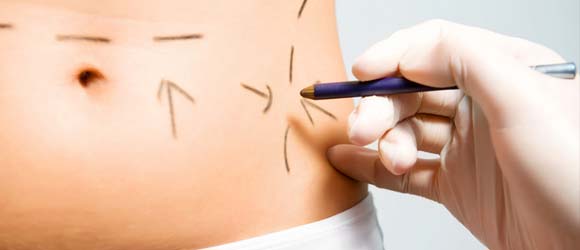
In the case of women, liposuction, correction of the nose shape and breast augmentation are three of the most practiced cosmetic surgeries in the world. From time to time, each of these interventions gains first place at the expense of others.
Your health is the first concern

Breast surgery
Breast surgery is an umbrella term for several types of cosmetic surgery procedures.

Certified doctors
Cosmetic surgery can be practiced by non-specialists, doctors who are not plastic surgeons.

Price decision
Do not let the price be the deciding factor when choosing your surgeon, take the right precautions.

Recovery
Make sure you understand the surgery procedures and the recovery details after the operation.

Risky surgery
Any surgery is a real operation, accompanied by risks and benefits that you should know.

In short
The woman or man who ventures to be reshaped or to have a fresh appearance does so at her own risk.
Take your time to look for and find the right surgeon!
Learn about breast enlargement in Prague, breast augmentation abroad and various types of silicone breast implants. Breast enlargement or breast implants are an ideal solution for many women with small breasts.
Breast augmentation abroad, also known as breast enlargement, involves the surgical placement of an implant behind each breast to increase its volume and enhance the breast’s shape. Breast augmentation is requested by women who perceive their breasts to be too small or sagging.
Types of breast implants
Basic types of breast implants by shape:
- round (they can be placed either under the gland or under the muscle)
- anatomic –teardrop (they are placed partially under the muscle)
- asymmetric (Different implant for each breast. They are always placed under the gland.)
Basic types of breast implants by filler:
- silicone cohesive – silicone gel (its advantage is the silicone cohesiveness inside the implant)
- silicone liquid (it is not used anymore)
- saline (Minimal use in the Czech Republic. The advantage is its small incision because the implant is filled with the saline after its placement.)
- combined so-called Baker’s expanders (They contain silicone gel and are filled with saline through a special valve. They can be used, for example in surgeries for transsexuals.)
Nowadays novelties in the implant fillings field occur regularly. Various substances are being tried and used as fillings, including soya-gel and hydrogel. These new types of implants aren’t in regular use yet.
Basic types of breast implants by surface:
- smooth (as a rule they are not used in the Czech Republic)
- textured (the implant has a “velvet surface” with the idea it will grow into the breast and not move inside the breast. These implants have a smaller risk of capsular contracture creation.)
- polyurethane
- titanium (they are not commonly used, but have a good tolerance within the body)
Basic types by profile:
- moderate
- high
The size of the breast implants is indicated in mililitres. The choice doesn’t depend on size but on dimension. The selection depends on many factors, such as the woman’s figure, height, width of her chest, figure proportion, size of pelvis, size of mammary gland and of course, the patient’s wishes. The most popular sizes in the Czech Republic are 200 – 300ml. (Implants from about 100ml to 1000ml are available.)
To see what size might be right for you, use a plastic bag that can be filled with liquid or boiled rice. Put it into your bra to help you choose the correct implant size.
Most commonly used brands of silicon breast implants are:
-
McGhan/Inamed
- Mentor
- Polytech
- Eurosilicon
All implants have their own passport – a document that states the number and size of the implant. This passport is given to every patient after the surgery.
What does the breast implant look like?
The implant is formed with an outer pocket made from polymerized silicone gum, which is very firm and elastic. The pocket contains one more inner layer, which guarantees a higher resistance to rupture and the minimum permeability of particles. The surface can be smooth, although at present implants with textured surface are preferred. They have pores of a certain size and depth and now also have a smaller risk of capsular contracture creation. A titanium film may be on the surface of the implant (which lends itself to good tolerance with the body) or polyurethane. Inside the pocket there is soft cohesive silicone gel, saline, combination of both or even one of the other substances mentioned above. The cohesiveness of silicone gel particles enables the implant to keep its shape, lowers the risk of permeability of silicone micro-particles through the pocket and avoids the possible leakage of silicone in the event the cover ruptures. The silicone gel filled implant is used most often because of the reduced harmfulness risk on the body from silicone.
Price of breast implants
The price of breast implants ranges from about 18,000 to 50,000 CZK depending on the type of implant and the producer. For round shapes, the price ranges from 18,000 to 28,000 CZK and from 40,000 to 50,000 CZK for anatomic shapes. Prices are independent of size.
Breast augmentation abroad
When choosing a surgical procedure consider the following options.
The placement of the incision:
- below the breast in the infra-mammary fold
- through the areola
- in the armpit
-
in the area of navel (umbilicus approach, not used in the Czech Republic)
The choice depends on the desire and preference of the patient and on the usual practice of the clinic.
The placement of the implant:
- under the mammary gland
- under the muscle
- partially under the muscle
Both methods (under the muscle and under the mammary gland) have their advantages and disadvantages. The choice depends on the quality and size of the gland, the quality of the skin and the subcutis, as well as the strength and quality of the muscle. The implant coverage has to be sufficient. If it is not sufficient, the implant can be visible and won’t look aesthetically pleasing. The pre-surgery consultation is intended to harmonize the patient’s ideas with real possibilities in regards to their body proportion, and with the advice of the surgeon.
For more information about breast enlargement abroad or breast augmentation in Prague please take a look at the linked pages.
The process of breast augmentation
In most cases, breast augmentation will be performed under general anesthesia. The surgery usually takes one to two hours and one to two days stay in hospital may be needed.
The method of inserting and positioning your implant will depend on your anatomy and your surgeon’s recommendation.
The three-four cm long incision can be made either in the crease where the breast meets the chest, through the dark skin surrounding the nipple or in the armpit. Every incision is made carefully so resulting scars will be as inconspicuous as possible.
A pocket in which the implant is inserted is created through blunt tissue preparation.
Some of the clinics abroad even use endoscopic technique by augmentation. The access for this technique is through an incision in the armpit or in the navel area.
The pocket will be filled with the implant either directly behind the breast tissue or underneath the chest wall muscle.
The size of implants must be carefully chosen in order to be fully covered by the breast tissue. Otherwise the edges of the implants can be easily seen and makes for a very unnatural look.
The cessation of bleeding is very important to avoid further complications – an undesirable capsule, a scar or poor coverage of the implant.
Drainage tubes may be used for several days following the surgery; it depends on the practice of the clinic and on the surgeon.
To close the wound, different sutures are used (mostly intradermal, eventually separate;) they are removed seven to 10 days after the surgery.
How the wound is covered is also up to the practice of the clinic. After the surgery, the breasts are fixed day and night with a special bra. It is recommended to wear this bra four to eight weeks after the surgery. For one month after the surgery, sleeping on your back and limiting sport activities is also recommended.
Are you a good candidate for breast augmentation?
Breast enlargement by means of implants is a very effective procedure. It is suitable for women with insufficiently developed breasts or when the mammary gland system is shrinking, as may be the case following breast feeding or a significant weight loss.
The optimal age limit for surgery varies. It is generally done after the development of the mammary glands is complete, which is usually after the age of 16.
It is certainly better to insert the implants into breasts that won’t change by potential breast feeding. Although it doesn’t eliminate the possibility to undergo breast augmentation before pregnancy; you have to take into account that lactation and pregnancy will change the size and quality of the mammary gland and therefore the surgery will probably need to be redone. It is better to undergo breast augmentation at least one year after the delivery and breast feeding.
Breast implants have no influence on the fetus and they do not expose it to any danger. The presence of implants does not hinder the ability to breast-feed. Studies done worldwide have not found an increased content of silicone in breast milk.
Some women request the implants to be placed as close to each other as possible to create a sexy line between the breasts. Unfortunately this effect is caused by the body’s constitutionand by the distance between the mammary glands therefore it is not possible to create it on demand.
Before breast enlargement
During your initial consultation, your surgeon will explain the surgery in detail. He will explain which surgical technique is most appropriate for you based on the condition of your breasts and skin tension. He/she will also show you before and after pictures and different types of implants.
If your breasts are sagging, the surgeon may also additionally recommend a breast lift. The surgeon will also inform you which implants he or she will use and which size is appropriate for you to achieve the best result.
Because it is a surgery performed under general anesthesia a pre-surgical examination including a laboratory examination and EKG by a general doctor or internal specialist is necessary. The exam should also include a detailed health history i.e. family diseases, diseases that you have had, allergies etc. At some clinics it is possible to have these examinations done in the morning the same day of the surgery.
Before the surgery it is also necessary to eliminate the possibility of breast illness by ultrasound (sonogram) or mammogram examination depending on the patient’s age. They are performed by special oncological and gynecological clinics. This is mostly done if you are a high risk patient due to a family history of breast cancer.
Your surgeon will give you instructions to prepare for surgery. You should avoid drinking and eating 6 hours before the planned surgery. Any medication containing acetylsalicylic acid (such as Aspirin, Acylpyrin, Alnagon, Mironal etc.) can increase bleeding during and after surgery They therefore shouldn’t be taken for about a week before the planned surgery. It is not good to undergo the surgery during menstruation, although it is not a reason to postpone the surgery. It is appropriate to consult your gynecologist concerning quitting birth control. Today’s opinion is to keep taking birth control pills and preventively taking medication against blood coagulation – low molecular heparin (e.g. Fraxiparin, Clexan, Fragmin.)
It is assumed that no acute illness (viral illness, cold, etc.) will have occurred in the period at least three weeks before the planned operation. Report any illness to your doctor.
If you smoke, plan to quit at least one or two weeks before your surgery and do not resume for at least two weeks after your surgery.
The day of the surgery you should come with your armpits shaved, if the surgical method has been agreed upon. Bring any medication that you take with you for 2-3 days, hygienic items, shoes, pyjamas, ID papers, and an elastic bra without wire support that’s the same size as the chosen implants. Some clinics have them for sale. Clothes that need to be put on over the head are not suitable for the hospital stay. Putting on such clothes after the procedure might be very painful.
While making preparations, be sure to arrange for someone to drive you home after the surgery and to help you out for a day or two if needed.
The costs of the surgery are usually paid for on the day of arrival, before the procedure. An advance deposit is paid at the booking date. Everything depends on the rules of each particular clinic. Since it is an elective surgery, it’s not covered by insurance companies. It is also necessary to take some days off of work because it is not possible to receive a sickness leave.
After breast enlargement
You are likely to feel pain for a few days following your surgery. The pain is more intense when the implant is placed under the muscle. You will take painkillers for two to five days following the surgery; the pain will slowly recede.
You will probably be released from the clinic after one or two days. Before you leave, the bandages may be changed and the drains removed. That will depend on the clinic and your surgeon. The sutures are usually removed during the check-up in seven to ten days.
It is recommended to wear an elastic bra. You will usually get it at the clinic where the procedure is performed. The length of time to wear it is decided by the surgeon. It is usually 4-8 weeks after the surgery and following that, during sport activities. The surgeon may sometimes recommend a medical belt. It is usually used if the implant was inserted through the armpit, and so it squeezes the formed canal. It can also be used if placement of the implant was under the muscle, so that it pushes it downwards, and generally in other situations when the bra is insufficient. The need and length of time to wear it is again set by the surgeon.
The recommendations of breast massages after the surgery vary, depending on the clinic and the type of implant. Some surgeons don’t recommend them at all. On the contrary long lasting pressure massages of the scars are recommended. It is recommended to wash the breasts only after the wound is healed.
Stay relaxed and quiet during the first week following surgery. Have someone help you with the house and kids for the first few days.
You can resume routine activities and lighter house work in 10-14 days. It also depends on the feeling of pain. Avoid lifting your arms over a horizontal line for 6 weeks.
Heavier work, lifting heavy loads, exercising, weightlifting and other sport activities are recommended gradually after two months following the surgery and while wearing the elastic bra. Intimate intercourse should be done very carefully within the first month after the surgery.
It is possible to visit a solarium or sun tan 14 days after the surgery, it is better though not to rush these activities too much. The scars must be covered with plaster or treated with a high SPF sunscreen for a minimum half a year following the procedure.
You should be able to return to work within 10-14 days, depending on the level of activity required for your job.
The result of the augmentation is considered permanent after three months.
If the breast skin is dry after the surgery, you can apply hydrating creme several times a day. Be careful not to tighten the skin while doing any specific movements and avoid contact with the stitched area.
You should see your surgeon immediately if your breast shape changes, the consistency changes (your breast becomes hard) or any inflammation appears. A visit to your surgeon is also recommended after any severe trauma to your breasts (car accident, fall etc.) Regular check-ups are done after one month, after three months and after one year. A check-up after 10 years also includes an ultrasound examination. The check-up system depends on each clinic. Some clinics have no check-ups at all.
Always be sure to follow your doctor´s instructions.
The implant covers approximately 20% of the mammary gland tissue during a mammogram. That’s why it is a good idea to consider another examination technique such as a sonogram (ultrasound) or magnetic resonance.
Patients that have undergone breast augmentation with implant placement must not undergo diathermy (medical organ heating through high frequency electric current.) The implant could become extremely hot and could cause inner burns and eventually the rupture of the implant.
General complications
Each surgical procedure has its possible complications and we have to consider them, although they appear in a low percentage of cases. General anesthesia has certain risks, which will be explained to you by your anesthesiologist before the planned procedure.
There are complications concerning the healing and possible infection of the wound around the area of the implant. There have been documented cases when the implant had to be removed because of infection.
Another surgical complication might be bleeding. That’s why a laboratory examination of blood clotting before the surgery is essential. Also staying in a calm environment after the procedure is important. Another problem can be scar healing.
A serious complication that can occur in any surgery in which the patient is under general anesthesia is a so-called pulmonary embolism – blocking of the pulmonary artery with a blood clot. For prevention, doctors use elastic bandages on the legs and movement soon after the surgery, the best is the first day. Hormonal birth control raises the risk of thrombosis, so it is possible to stop it or take medication against blood coagulation – low molecular heparin (e.g.Fraxiparin, Clexan, Fragmin.)
Some patients are more likely to receive so-called keloid or hypertrophic scars. Sometimes a correction may be necessary, which is relatively difficult in these types of scars.
Breast augmentation is performed with the arms stretched. Patients can sometimes feel pain shooting into the forearm and hands after the surgery. It is caused by the tension of nerves running from the armpit to the arms. These problems are temporary and fade away after few days or weeks.
Complications concerning the implant placement
Capsular contracture
It is the most often described and feared complication of breast augmentation. A fibrous cover – capsule is always formed around the implant. The tissue reacts naturally to the foreign element of the body. The capsules form in all patients and they can be thin or thick. Its creation is individual. In 5% of cases the capsule can start to shrink – this is capsular contracture around the implant. It is accompanied by pain and a firmness to hardening of the breast. This phenomenon can occur in one breast or both breasts. There are ways to avoid the forming of a capsule or at least minimize its creation. It is for example important to ensure a sufficient size of the cavity for implant placement. Also implants with a textured surface reduce the risk of capsular contracture. The shrinking capsule often has to be treated surgically. There have been documented repeated cases of capsular contractures around the implants and sometimes the rigidness can repeat so that the only possibility is the removal of the implant .
Prolapse (expulsion) of the implant
The skin is in permanent tension in the area of the wound. The size of the implant can also cause a progressive thinning to breakage of the skin and therefore the prolapse of the implant. This complication is more common in patients whose skin has been damaged in any way or scarred for example by irradiation from tumor disease.
Serom
This is the creation of liquid around the implant immediately after the surgery or later. It is manifested by pain and breast enlargement. The reason is most often physical strain after the surgical procedure, excessive sport activity or injury.
Blood coagulation around the implant – hematoma
A collection of blood around the implant is mainly caused by disobeying the relazation orders after the surgery or defective blood coagulation.
Burst and penetration of the implant
The approximate durability of an implant set by the producer is around 10-15 years. The implant slowly wears out and its surface thins, which can cause it to burst. The breast can change its shape and will hurt. In such case a change of the implant is necessary. A breast rupture can also be caused by injury, accident or extreme sport activity. Microscopic particles of silicone can penetrate through the gel filled implant’s external cover. These particles have been found around the implant and even in other parts of body. No harmfulness has been proved.
Shrinkage of the implant
The shrinkage of the implant cover is manifested by small folds that can be touched under the skin. It can be painful and big folds can irritate the surrounding tissue. It is a problem for skinny patients with a thin skin layer, very small mammary gland and in cases of implant placement under the gland.
Sensitiveness of nipples
The change of sensitiveness of nipples, either increased or decreased is often described by women after the surgery. In most cases it gets back to normal in several months to one year. The change can be sometimes permanent.
Breasts asymmetry
Even breasts enlarged with an implant can droop or sag after some time. Also asymmetries may occur, when one side droops more than the other. It can be caused by disobeying instructions after the surgery but also for other reasons. The implant can change its position through the movement of breast muscle right after the surgery. A higher risk of such a shift is threatened by teardrop implants.
Calcification
Small particles of calcium may appear around the implant. They can be confused with a beginning stage of breast cancer.
Tiny thrombotic vessels
Tiny vessels in the armpits or under the abdominal wall blocked by thrombus may appear after the surgery. They disappear naturally within several months.
Can silicone implants be harmful for body?
There have been made many studies concerning the harmfulness of breasts implants. All the substances that form the implant have been gradually studied and examined. This includes silicone, polyurethane, which is part of the cover of some implants, and platinum, which is used by polymerization of silicone gel. None of these substances showed explicit carcinogenic effect, i.e. ithey don’t cause tumor malignancy. Further studies have been done for any relation between implants and rheumatic and autoimmune diseases, again none have been proved. Elementary silicone occurs normally in parts of the blood, breast milk, connective tissue and most organs. Its content in the body depends on a person’s diet, geographic conditions, quality of drinking water or beer consumption. Also mothers that breast feed with silicone implants do not present any risk to their babies. Silicon is part of nursing bottles, dummies, spoons and other medical products.
How long will the effects of breast augmentation last?
The final breast augmentation is permanent, if there is no change in weight and proportion of breasts (see the above mentioned pregnancy.) Regarding the change of quality of the implant after 10 to 15 yearsor the increased possibility of an implant rupture (burst), it is necessary to consider the possibility of implant replacement. Breast augmentation is a personal, serious decision, and a permanent one. If you have planned carefully, worked with your doctor and followed his instructions, then your surgery should be a successful one!
The future of implants
At Illinois University in Chicago stem cells isolated from bone marrow were stimulated to grow along the supportive skeleton, which is made out of biologically tolerant material. Due to this form the cells have reproduced into previously selected shapes. Such cultivated forms from fat tissue has already been tested on mice. It is assumed that these implants grown from stem cells will be a safe alternative to silicone implants.
Breast enlargement by filling it wiht a person’s own fat or by transplantation of their own muscle has already been performed at some clinics worldwide. There haven’t so far been any experiences with such a technique in the Czech Republic.
Smoothing out wrinkles to give your face a youthful appearance can be reached without surgery and without scars. Botox (Botulinum toxin type A) is the cosmetic form of bacterium Clostridium botulinum. It is mainly used to treat forehead creases, frown lines and crow’s feet.
What is botulinum toxin and how does it work?
Botulinum toxin or “sausage poison” is a substance produced by the bacterium Clostridium botulinum. At first it was used in ophthalmology and neurology. That’s when it was discovered the toxin could be used to diminish wrinkles and stop sweating. The amount of applied substance in cosmetology is 1000 times lower than the toxic dosage. The actual effect of botulinum toxin consists of the blockage of nerve-endings; the muscle is de-nerved and no nerve impulses can affect the area. It is practically “numb,” although over time the muscle does regain its nerve impulses. The effect of botulinum toxin is not permanent.
Why botox Prague?
Prague has many attractive features for those considering botox abroad. Its location in Central Europe is easy to access; its mild climate is conducive to healing and its experienced clinics and botox surgeons ensure you’ll receive the best possible care. Botox Prague costs are often much more affordable than in the UK or with the NHS. For more information about getting to and around the Czech Republic, please visit our handy cosmetic surgery Prague info guide.
Are you a good candidate for wrinkle removal using botulinum toxin?
The two barriers to receiving a botulinum toxin application are pregnancy and lactation. Although most moms probably aren’t too worried about wrinkle removal. If you suffer from any nerve diseases, certain allergies and hemophilia also prevent you from using botox.
The botox procedure
Botulinum toxin is an out-patient procedure that takes several minutes. The actual application takes 5-10 minutes. It is performed without anesthesia but the treated area may be cooled with a frozen compress. The solution is applied with a thin needle under the skin in the specific wrinkled area. The most common place to receive botox is the forehead and the area around the base of the nose and around the eyes. An experienced surgeon is able to work in small areas, and to treat even the beginning of wrinkles in the area of the upper lip.
After the botox procedure
Folowing your botulinum toxin application, you should not lie down for four hours after the procedure. This is so the toxin won’t, for example, get in the eyes and perhaps cause drooping eyelids. The patient should also not wear cosmetics, visit a solarium, receive a massage, etc.
Does botox ever not work?
Yes, in rare cases, the botulinum toxin does not have any effect. These patients may have developed antibodies in the past through a small intoxication of the poison. There are also documented cases of antibodies being created by very frequent applications. In these cases, another type of botulinum toxin might work.
How long does botox last?
The effect of the substance after the first application lasts approximately three months, after the second one around half a year and after the third application approximately 9-12 months. The more the substance is applied the longer the effect lasts. However, the effect of botulinum toxin can’t be guaranteed for more than a year. Many clients return once a year, or even better, learn not to use specific muscles and therefore the period between the treatments is prolonged. Boutulinum toxin application in the same area is not recommended more than twice a year (except in the first year.) In case of very deep wrinkles or defected collagen fibres, total wrinkle removal cannot be expected, but only a wrinkle reduction. Here it is possible to combine the botulinum toxin with a suitable filling material, for example collagen or hyaluron acid.
BOTOX® / DYSPORT®
Uses:
Reduction of laugh wrinkles
Relaxation of frown wrinkles
Reduction of fan wrinkles
Relaxation of an unwanted facial expression (e.g. turned-down corners of the mouth)
Treatment of hyperhidrosis – excessive sweating (axillae, palms, soles and face)
Duration of the effect:
Temporary (3 – 9 months).
Duration of the treatment:
Maximum of 10 minutes.
What is Botox®?
Botulotoxin A is a substance that relaxes muscles. It has been used in medicine for a number of years now and is the most important component of both BOTOX® and DYSPORT®. A special feature of these substances, which are applied by injection, is that they act directly on the cause of wrinkles, namely muscular activity. When BOTOX® or DYSPORT® is injected into a muscle, it temporarily blocks the nerve impulse that causes muscle contraction. The substance therefore acts more effectively against mimicry wrinkles than skin implants do. In addition, it prevents the formation of new wrinkles. The wrinkles become less apparent or disappear completely. Although BOTOX® and DYSPORT® do not have a permanent effect, the treatment can be repeated without difficulty.
The treatment
The application of BOTOX® or DYSPORT® is completely painless. The doctor uses a thin injection needle to introduce the substance into the muscle that causes the wrinkle or unwanted facial expression. The injection produces only a slight burning sensation. Immediately after the treatment, the skin is slightly reddish and swollen. These effects disappear after about an hour. You don’t need to take any time off work and can appear in public almost immediately after the treatment.
Results
The results of the treatment appear after three to six days. The skin is visibly relaxed and the wrinkles are shallower. The effect is optimal after fourteen days, and lasts three to four months. The more frequently the treatment is repeated, the longer the effect (from six to nine months.)
What is Esthelis, Restylane, Juvederm, Surgiderm, Teosyal, Matridex, Matridur?
Esthelis
New generation of injection fillers containing hyaluronic acid. It is prepared from bio fermentative hyaluronic acid by patented process. It is a monocomponent formulation – containing only one substance. Unique polydensified cohesive structure of Esthelis consists of cohesive gel, which is easy to administer. The skin is smooth after its application. Esthelis is supplied packaged sterile and ready to use immediately.
What are the advantages of Esthelis?
Esthelis can be used immediately with no prior skin test. The cohesiveness and elasticity allow treatment without overcorrection. The Esthelis injection is administered by a medical professional, which is trained in such injection fillers application. It takes approximately 30 minutes to perform. The final result is visible in 1 to 2 days. It is stable and long lasting. Its main advantage is the natural structure of the substance, which is own to the body and also degrades in the organism naturally. Therefore there is no risk of allergies and undesirable effects.
What type of treatment can Esthelis be used for?
Restylane
RESTYLANE®
Use
- Reduction of wrinkles
- Improvement of the contours of the lips and the vertical lip furrows
- Fuller lips
- Reduction of turned-down corners of the mouth
- Reduction of scars
Duration of the effect
Temporary (6 – 12 months).
Duration of the treatment
About 30 minutes.
What is Restylane®?
RESTYLANE® is hyaluric acid, which is natural to the body. This substance occurs throughout the body and ensures the hydration and elasticity of the skin. Over time, however, the production of hyaluric acid decreases, wrinkles form and the skin becomes less flexible. RESTYLANE® replaces natural hyaluric acid. It forms cushions under the skin that completely fill the wrinkles and furrows. Three kinds of RESTYLANE® (RESTYLANE®, Restylane Touch® or Restylane Perlane®) are used, depending on the depth of the wrinkles. The products are virtually identical: they differ only in the size of the acid beads. Smaller ones are used for minor wrinkles, and larger ones for deeper furrows and for renewing volume.
The treatment
The doctor applies RESTYLANE® to the skin using a thin needle. The slight burning sensation this causes disappears immediately after the substance has been applied. The skin is desensitized with cream at sensitive places, like the lips.
Results
The result of the treatment– smooth skin and fuller lips – can be seen immediately. Although the skin may be slightly swollen directly after the treatment, the swelling disappears within one or two days. The body completely decomposes RESTYLANE® within six to twelve months, at which point the effect of the treatment disappears. However, the treatment can be repeated without difficulty.
If you decided to undergo a plastic surgery of breech and calfs, but your skin had already lost its elasticity to such extent that makes liposuction useless, the doctor can recommend you a plastic surgery of breech and calfs.
In which cases is it recommended?
The ageing process of skin causes a low skin elasticity which unables the skin to adjust to a new tissue volume and reattach to it evenly. That is why liposuction is not recommended for some clients. Several foldings, uneven surfaces and dimples could emerge during the healing process, with a little aesthetic effect.
Are you a suitable candidate for the plastic surgery of buttock and calf?
If your skin has already lost its elasticity to such extent to make liposuction useless, you can be a suitable candidate for this operation.
You have to be healthy and with a good balance of mind and with realistic expectations.
Before the operation
During the first consultation, the doctor shall consider the condition of your skin and its elasticity and talk to you about your expectations. He will also decide whether this type of operations is suitable for you.
Anesthesia
The procedure of the buttock operation
First the doctor cuts the skin according to the planned scheme and removes the excesttive tissue and loose skin. The cut is done on places enabling the scar to be hidden in natural skin folds or in underwear. The wound is then closed with usual stitching.
In case of major surgical interventions, a drainage tube is put in the wound before the end of the operation. It stays there for 24 hours and helps to lead the blood and interstitial fluids out of the wound to prevent an inflammation.
At the end is the wound covered with a sterile gauze and elastic bandage, which is necessary for the even reattachment of the tissue.
After the buttock and calf operation
You will probably feel a little pain after the operation, this pain can be reduced by medication.
Do not forget that healing is a long term process. The doctor will probably recommend you to start walking as soon as possible. It helps to reduce the swelling and prevents blood clots.
You shall probably feel better after one or two weeks after operation and in a few days you should return to you work.
It is very important to wear elastic underwear. The period in which you should use this type of underwear depends on the size of surgical intervention. It usually lasts for two months.
The stitches are usually removed in 10 – 12 days after the operation.
You should not practice sports and other physical activities for one months.
All the burning and swelling should disappear in three weeks, it is however possible that the swelling lasts for six and more months.
In case of body temperature higher than 38°C, immediately seek medical advice.
You must follow instructions of your surgeon and keep the plan of your visits. It is necessary for the surgeon to observe your progress and consider, whether you need some of the additional procedures.
How long shall the result of the buttock and calf operation last?
This operation has a long term result, it however does not stop the time and the ageing process with accumulation of other fet cells. It considerably reduces the volume of your breech or calfs and brings you a new self confidence.
Varices are caused by inferiority of venous wall leading to aneurysm, which is visible under the skin. The reasons for removing of varices are aesthetic as well as medical. Plastic surgery offers several methods to remove them.
Why to treat varices?
Untreated varices lead to development of thrombi and risk of venous ulceration. Medicine can heal these pathological veins and prevent risks caused by this disease.
Types of varix treatment
There are several possibilities how to treat varices: miniinvasive operation CHIVA, laser treatment and process of sclerotisation.
Miniinvasive operation CHIVA
It is a highly efficient method of removing varices. The choice to use this method does not depend on age, but rather on your state of health. It has a big advantage, because it does not require residential treatment.
Are you a suitable candidate for minioperation CHIVA?
If you look for a gentle miniinvasive treatment of varices, are in a good state of health and in a good mental condition, you will probably be a suitable candidate for this treatment.
Operational procedure
With the help of this operation, it is possible to remove varices of all sizes. A small stab or cut, with size of approximately 1-3 mm, will be done on precisely chosen places to tie up the varices, cut them short and remove some of them. The operation will be supplemented by sclerose or laser treatment. The target of this method is to remove all varices which are unnecessary and will not be missed after the operation.
In most cases, it is not necessary to suture the cuts or stags, patch suture is sufficient.
Before the operation
During the first consultation, the doctor is going to check your state of health and examine clinically the vascular system of lower limbs – it means arteries, deep and surface veins. You will probably have to undergo a duplex ultrasonic scan. On the base of these examinations, the doctor is going to suggest the method of treatment. More techniques can be used.
As a part of pre-operational preparation, you have to organize your transport home.
Anesthesia
Miniinvasive operation CHIVA is a very gentle treatment and the removing of varices is usually done under local anesthesia. There will be an injection of an anesthetic to the treated places or you may get some tranquillizers. You will be awake during the operation, but with a relaxed feeling and without pain. You may feel a very light pain, which can be reduced by cooling the skin surface.
If you require it, the surgeon can choose in some cases short general anesthesia. Then you will sleep during the whole operation. You may have to stay overnight in the hospital.
After the operation
In case of treatment under local anesthesia, it is possible to go home in approximately 2 hours after the end of the operation.
It is recommended to wear bandages or compression stockings at least 14 days after the treatment, but preferably longer.
It is necessary to avoid sport activities as skiing, rowing, dancing in the first 4-6 weeks. Common exercise can be done in 2-3 weeks after the operation. Your doctor is going to inform you about all the details, the measures are highly individual and depend on the extent of the treatment.
The stabs or cuts caused by the treatment will usually heal in one week. Small bruises disappear in approximately 2-6 weeks. A little bit lower sensation at the place of the stab soon returns to the normal.
A small scar can remain at the place of the cut or stab. It fades out soon but never disappears completely. The disappearing of the bruises can be sped up by a heparin ointment recommended by your doctor.
Results of varix removing through miniinvasive operation CHIVA
The method is highly efficient, however the varices may appear again. It depends on the genetic quality of venous walls. But even if they do appear, it is mostly in a much smaller extent than previously.
Laser treatment
Laser treatment is a modern non-operative method suitable for treatment of large-scale varices.
The procedure of laser removing of varices
The method of catheterization is used: a laser sensor is brought to the vein through a small stab, the sensor seals the vein, which causes varices, from the inner side and makes it impassable.
The varices can be subsequently removed operationally or left to disappear naturally.
Before the treatment
You should discuss the possibilities of this method with the doctor during your consultation. The type of your varices may be unsuitable for being removed with this method.
The doctor is going to recommend a duplex ultrasonic scan, which is going to prove, whether this type of operation is suitable for you.
The operation can be done without residential treatment. As a part of pre-operational preparation, you should organize your transport home and eventually someone to help you for 1-2 days.
Are you a suitable candidate for laser removing of varices?
If the ultrasonic scan proved that the type of your varices can be treated by this method, you are in a good state of health and good mental condition, you may be a suitable candidate for this treatment.
Inform your doctor about all health complications, above all if you suffer from deep vein thrombosis, ischaemic disease of lower limbs or if you are pregnant. Your age does not matter much, important is above all your state of health.
Anesthesia
Combined methods of anesthesia are used in most cases, for example analgosedation or local anesthesia through an injection of an anesthetic to the treated places or you may get some sedatives. This methods are very gentle compared to the conventional general anesthesia.
After the treatment
In most cases, it is possible to go home in approximately 2 hours after the end of the operation, accompanied by another person. If the treatment is more complicated, you may have to stay in hospital for a longer time.
How long will the results last?
The laser method is highly efficient, however the varices may appear again. It depends above all on the quality of venous walls, which is determined genetically. In case of larger veins, the laser method may not be sufficient.
Sclerotization
The procedure of sclerotization is recommended if you suffer from microvarices, it means varices with diameter 1mm or less.
The treatment includes an injection of a special substance directly to the veins with thin needles. The veins are then absorbed. Sclerotiazation is used as an additional process during the operation or thereafter.
If the client has only isolated varices, it is possible to do just sclerotization with subsequent recommendation to wear elastic compression stocking (II compression class) for a time period, which is specified individually according to the extent of the varices. Sclerotiazation is also a method recommended to prevent further spread of varices.
Are you a suitable client for Sclerotiazation ?
If your varices are not suitable for an operation, you may be a candidate for this method. However, if your varices can be operated, it is not recommended to undergo sclerotization, because the varices appear after this treatment very often again. Sclerotization does not bring the required cosmetic effect in this case. It is therefore necessary to discuss openly with the doctor which method is suitable for you.
Before the treatment
Before the treatment, it is necessary to observe darker traces at the place of small veins. It is caused by pigmentation from pathological veins. It is necessary to realize that this traces will be more visible for some time after the treatment, but disappear later. This process always depends on the individual healing capacity. It is important to consider that this pigmentation may last for a long time and sometimes never disappears.
After the treatment
Sclerotization is efficient only if the limbs are bandaged with elastic bandage, compression stocking or special covers. The compression prevents return flow of blood to the sclerosed vein and its re-bulge. The compression period is always individual, depends on the extent of the treatment and size of treated veins. Minimum compression period lasts for 1 month.
It is necessary to repeat sclerose 2-4 times in 2-6 weeks. Small bruises (hematoma) disappear in 2-4 weeks.
Women that had malign breast disease and who undertook the surgery of breast removal can undergo its reconstruction. Regaining the chest symmetry and the shape integrity can therefore help to get the womanhood feeling again and also to moderate a depression.
The loss or deformation of breast caused by the treatment of malign tumour touches the woman in two areas. Beside the fear of further destiny, treatment and state of health, women suffer from the fear from how will their life change after a loss of such a big womanhood symbol.
Its proof is also that during the first information about the character of the disease and the planned treatment at the office, a big percent of women react in more positive way, when they find out together with the information of the necessity of breast removal about the possibility of its reconstruction.
The care of women with malign tumour is inter-branched and the breast reconstruction is part of the plastic surgery. The decision whether and when to perform the surgery depends on the oncologist, psychologist and sometimes even the geneticist.
The timing of the surgery
One of the possible options is so-called immediate reconstruction. It is the case when during one anaesthesia the surgeon removes the tumour with a part or with the whole breast and he/she then immediately fills the formed defect. Most often this procedure is applied in so-called prophylactic surgeries. Those are procedures in which potentially dangerous tissues are removed. In such breasts most often subcutaneous mastectomy is performed. In this procedure only the mammary gland is removed and the skin and areola with the nipple retains. The reconstruction is then usually performed with the usage of silicone implants.
Another possibility is so-called delayed reconstruction. It is a situation when the reconstruction procedure is performed after the termination of all examination concerning the recognition of the state and character of the breast tumour, thus in weeks to months. Those are cases, when it is not necessary to follow the surgical procedure with oncological treatment and it is performed rarely.
Breast reconstruction is most often undertaken after the end of oncological treatment and the negative examination aimed for possible secondary spread of tumour. It is usually performed after more than one year after the primary procedure.
The procedure of breast reconstruction
In principal there are 3 options of breast reconstruction. Always it involves gaining of the tissue volume in the place of missing breast.
- The usage of own material (transfer of the skin, sub-dermis and possibly the muscle to the place of missing breast)
- The usage of synthetic material (silicone implant, implant filled with saline or implant combining silicone content with saline)
- The combination of own material with the implant (when the transfer of the skin and sub-dermis from the near area of missing breast and the following filling with the implant)
The use of own material
Most often used is so-called TRAM flap. It is a tissue that is transplanted from the woman’s lower abdomen. The major part consists of subcutaneous fat covered with skin. The result is an arcuate scar in the lower abdomen, the same as in cosmetic abdominoplasties.
It is possible to transfer this tissue to the area of the missing breast in several ways:
- With the application of one of the muscles that forms the abdominal wall. It is the oldest method used for breast reconstruction. It brings the need to solve the formed defect of abdominal wall to prevent the creation of hernia. That is why this part of the body is often covered with small net as in solving bigger hernia.
It is possible to perform this procedure in all clinics of plastic surgery where the breast reconstruction is performed.
- Another option is to separate totally this tissue from the vessels and to transplant it to the desired area as a so-called free flap; it is necessary to reconnect the vessels of the flap to the blood supply.
In this case the suturing of the vessels is made under the microscope. That is the reason why such surgeries can be performed just at the plastic clinics where microsurgical procedures are made.
The advantage of this procedure is that the defect in the abdominal muscles is not big or with the usage of DIEP flap no defect is created.
The disadvantage is in principal longer process of the surgery and more strenuous care after the surgery.
For transplantation of needed volume of the tissue it is possible to use also other parts, although they are applied much less.
The advantages of the usage of own material:
- It is not a foreign material
- The psychological moment
- Lesser risk in the irradiated terrain
- The correction of the second breast is not always needed
- Final cosmetic look of the donor place
The disadvantages of the own material:
- Longer surgical procedure
- The possibility of defect creation in the donor place
- More strenuous care after the surgery
The use of synthetic material
In very small breasts it is possible to perform breast reconstruction directly by inserting an implant to the area.
In bigger breasts it is possible to insert a special type of implant to the reconstructed place, so-called expander that is gradually after the surgery filled through skin by injection to the desired size. During that the skin above the expander is “stretched”. Like this we achieve to get enough tissue with which we can subsequently cover the implant of needed size. After that we can either leave the existing filled implant or we can change it with silicone filled implant.
Last option in this group is the breast reconstruction with the usage of so-called Becker implant. In principle it is an implant with two cells. One is filled with silicone and the other one is added to its desired size with saline. We can therefore call it expander-implant.
The combination of own and synthetic materials
During this procedure the excess of skin coverage, which is needed to cover the inserted implant, is transferred from the skin of near area. Most often so-called thoracodorsal flap is applied, when the skin from the surrounding side is transferred to the area of newly reconstructed breast.
Another, shorter time used method, is the transplantation of the skin from the adjacent area of abdomen. The advantage of this method is that no other scar is created during the surgery because the procedure is performed from the scar after the breast ablation.
The advantages of the use of synthetic material:
- Shorter surgical procedure
- Less strenuous care after the surgery
- Suitable for small breasts and skinny women
- No functional defect of abdominal wall is created
The disadvantages of synthetic material:
- The psychological moment in the usage of foreign material
- Problematic application in irradiated terrain
- The complications during the healing of the implant (the capsular contracture)
- The need to correct the other side in bigger breasts
Another phase of the breast reconstruction
Each breast reconstruction is a procedure that consists of several gradual surgeries.
In interval of several months a new nipple and areola is reconstructed. This topic has been already described in another article. At the same time, an additional change of size and shape of the other breast might be made.
And even after the reconstruction of the new breast with areola and nipple it is possible, especially in case of the reconstruction with implant, to expect several surgeries necessary for the correction of the final result.
The care of the patients with reconstructed breast is long-lasting and minimally the follow-up of the treated patient is for the whole life. In spite that, the breast reconstruction brings higher self-confidence and according to what they say, it improves significantly the quality of their private life and very often even the professional life.
Hair has always been a symbol of beauty and an important part of one’s appearance. Thinning or the loss of hair can be very frustrating to many people. Cosmetic surgery may have an answer: hair replacement.
What is hair replacement?
Hair replacement – or a hair transplant – involves the transplantation of your own hair grafts or micro-grafts to fill places left bald because of missing or thinning hair. The treatment is best for men who have conventional hair loss, after hair loss or thinning has slowed or stabilized. Hair loss is caused mostly by ageing, changes in hormonal processes or a hereditary predisposition.
Hair loss can be also caused by burns or traumas. In such cases the treatment is considered to be reconstructive and therefore is usually covered by an insurance company.
If you and your doctor have decided that a hair transplant is right for you, you can rest easy knowing that this operation has been done for more than 30 years. If you are considering hair replacement, the following text can help you understand the operational procedure, provide information about preparing for the surgery and expected results of hair replacement surgery. It isn’t possible to answer all questions concerning hair transplants as each person’s situation is different. If you have additional questions, speak with one of our hair replacement Prague surgeons.
Why hair replacement Prague?
Prague has many attractive features for those considering a hair transplant abroad. Its location in Central Europe is easy to access; its mild climate is conducive to healing and its experienced clinics and hair replacement surgeons ensure you’ll receive the best possible care. Hair transplant Prague costs are often much more affordable than in the UK or with the NHS. For more information about getting to and around the Czech Republic, please visit our handy cosmetic surgery Prague info guide.
Hair loss in women
Some doctors estimate one in every five women experience some type of hair loss, usually caused by ageing, illness or hormonal changes. Women´s hair usually will thin slightly all over the head and does not disappear completely in one place as is common in men. Because this thinning is distributed all over the head, transplantation is very difficult however, medication can be useful. The efficiency of these medications is different for each client, but basically, they prevent further hair loss but don’t help new hair to grow.
If you are considering a hair transplant, it is necessary to realize that it is impossible to achieve the same hair density as before the loss. Hair replacement can however cover thin places and fill empty ones.
Hair transplant surgery
Hair replacement is done under local anesthesia and is relatively time consuming. It lasts quite a few hours, but naturally, it depends on the area which is being transplanted. The operation begins with a cut of hair graft with good hair cover from the nape area. The size of this graft depends on the size of the bald place which will be covered. Usually it is 1.5 x 10 cm. Immediately before the surgery, just the hair where the hair graft will be done, is cut to 2mm in length. It is not necessary to cut any other hair. The edges of the site of the hair graft are subsequently stitched together and only a discrete scar remains on the nape.
In the next phase, the skin graft with quality hair is divided by a scalpel into small grafts containing either 1 – 3 (micro-grafts) or 3 – 6 (mini-grafts) hair roots. Micro-grafts are used to treat the future front hairline, it helps to give a natural look. The formerly used grafts containing more hair roots cause an unnatural look of new hair cover. You could compare it to the hair of a doll, because a lot of hair grew from one point and between these bunches of hair there were places without hair.
During the most common method of hair replacement surgery used nowadays, the grafts with hair roots are inserted with the help of micro-forceps into incisions in the area to be transplanted. These cuts are usually done with a special scalpel and their size should correspond to the size of grafts to be inserted. In the new area, the inserted transplanted hair has the same characteristics as in the original place of the hair graft. The hair grows naturally, it can be cut, dyed etc. It is however necessary to realize that real hair growth begins later after the treatment and the results of the hair transplant cannot be assessed for about five to six months after the treatment. You can view before and after photos of hair transplants here.
Laser hair transplant
It is possible to use a laser to make the incisions for inserting the hair grafts. A laser is used to create these incisions (in this case small openings) in the area to be transplanted. However only the most efficient laser device can produce rays with high energy and a very short time of impact, made up from the different pulses. This is necessary to evaporate the tissue at the impact point of the laser, but leave other tissue unaffected by the temperature. There are important advantages to this method compared to the traditional procedure, for example, the incisions do not bleed, which makes the hair transplant go faster and much smoother. On the other hand, inter-stitial fluid infiltrates into the incisions, “glues” the inserted graft into the incision and therefore fixes it firmly into this gap. The size of the gap corresponds to the size (diameter and depth) of the graft, therefore the surrounding tissue can not oppress the graft. These grafts are not pushed out from the incisions when new grafts are being inserted. In addition to this, because the grafts are not pressed, hair which is contained in them does not spread out during the healing process. Therefore the hair cover looks much more natural.
There is another advantage. The laser device is controlled by a computer and can make more regular gaps with a higher density of precise depth, diameter and angle which is natural for subsequent growth of transplanted hair. The device’s equipment enables the surgeon to define the size (diameter) of the gap to correspond precisely with the size of inserted grafts. And one equally important advantage – the duration of the surgery is reduced by up to two thirds compared to the common method.
In most cases, if the client is healthy, a special examination before hair replacement surgery is not needed. The hair transplant is done either sitting or lying down; whichever is more comfortable for the client during the treatment which does last several hours.
After the hair transplant
After the hair replacement operation, a sterile elastic bandage is put on. This not only protects the stitched incision at the original place of the hair graft in the nape area and inserted grafts, but also prevents large swelling at the place of the transplant. The bandage is removed usually the second or third day after the treatment and then the patient can wash his/her hair. Small crusts will appear at the place of the hair grafts, they will fall off naturally after 14 days. The patient should relax at home for about five days following a hair transplant. The sutures in the nape area are removed approximately two weeks after the surgery.
When the crusts fall off, the small grafts will have a slightly pink colour, similar to other scars. This colour however will return to a normal skin tone after a few weeks. A large part of the hair from the inserted grafts may fall out after the treatment, but the hair roots subsequently regenerate and the hair will start to grow. That is why you won’t see final results for about five to six months, after true hair growth has begun. Because it is necessary to leave some space between the gaps for hair grafts (approximately 2 – 3 mm), many patients decide to have their new hair cover densified. Densification is not always necessary and depends on the patient.
As we age, gravity often takes its toll on our bodies. Sometimes this results in loose and excess skin on our face and neck. Unfortunately when this happens around our eyes, it can make us look old and tired. Sometimes drooping eyelids are not only a cosmetic problem, but a health one, as in many cases excess skin can interfere with one´s vision. Eyelid surgery may offer you a solution.
What is eyelid surgery (blepharoplasty)?
Eyelid surgery is a cosmetic change of upper and lower eyelids. Blepharoplasty solves mostly ptosis (drooping of eyelid), fat prolapses or combination of both defects. The surgeon removes excess skin and so-called fat bags (prolapses). If necessary he/she removes also some parts of increased oblique eye muscle. The patient can undergo the upper and lower eyelid surgery at the same time. If there are only fat bags in the lower eyelids and it is not necessary to remove excessive skin, the operation can be done from the inner-conjunctival side of the lid. This is called the transconjunctival version of the eyelid surgery.
If you have droopy or baggy lids, medical specialists recommend undergoing eyelid surgery as soon as possible. The results are then much better and will last longer. Usually, eyelid surgery is done for clients older than 35 years of age, but in some cases, it can be done earlier, usually because of a genetic predisposition of the client. In the case of younger clients, operation of the lower eyelids is done mostly from the inner–conjunctival side of the eye.
Eyelid surgery can improve your look, but do not expect people to treat you differently. It is therefore important to consider what your expectations are from eyelid surgery. Eyelid surgery can be done together with face-lift or browlift.
Why eyelid surgery Prague?
Prague has many attractive features for those considering eyelid surgery abroad. Its location in Central Europe is easy to access; its mild climate is conducive to healing and its experienced clinics and eyelid surgeons ensure you’ll receive the best possible care. Eyelid surgery Prague costs are often much more affordable than in the UK or with the NHS. For more information about getting to and around the Czech Republic, please visit our handy cosmetic surgery Prague info guide.
How is eyelid surgery done?
Before the surgery
First, the consultation with the eyelid surgeon is very important. It is necessary to speak openly about the reasons for the operation and to decide if it is desirable to operate on all four eyelids or just the upper or just the lower. The surgeon will explain the operational procedure and the process of anesthesia. Do not be afraid to ask questions, especially if you have any doubts or are unsure about something. You can also get more information in our blepharoplasty forum.
Avoid the use of medications such as Acylpiryn, Aspirin, Alnagon or Mironal before the eyelid surgery, as they can increase bleeding during and after the procedure.
Eyelid surgery can be only done if the patient is in a general state of good health. Your surgeon will define the extent of pre-operational examinations needed.
While making pre-operation preparations, be sure to arrange for someone to drive you home after your eyelid surgery and help out for a few days, if needed.
Presurgical examination
If you decide to undergo the surgery under local anesthesia, a presurgical internal examination is not necessary. You are sent to eye department, where quality and field of vision will be checked, pressure inside the eye will be measured and your eye will be examined microscopically with slit lamp (all these examinations are part of normal examination at ophthalmologist).
Blepharoplasty is not performed if your lacrimal aparat does not function sufficiently. Functional tests of lacrimation serve for evaluation (e.g. Schirmer’s test: A small piece of paper with high absorbable features is inserted on the edge of lower eyelid, distance of its moistening is read after certain time). Further the surgeon evaluates various eye parameters:
Size of palpebral fissure: It is a separation between central edge of upper eyelid and the edge of lower eyelid. The palpebral fissure is narrowed, if the distance is less than 10 mm.
MRD1: It is a separation between middle of pupil in the straight position and middle of upper eyelid.
MRD2: It is the same distance between pupil and lower eyelid. Both these distances should measure more than 4 mm.
Distance between eye fold and centre of pupil.
Exceptionally the surgeon requests CT to eliminate pathologic processes in the back part of eye socket.
On contrary functional tests of eyelid levator are common. The upper eyelid is turned and the patient is asked to look upwards. If the levator is in function the eyelid should turn back. The second test checks the elevation of eyelid by elimination of frontalis muscle out of function.
Anesthesia
Eyelid surgery is usually performed under local anesthesia. However, the surgeon or patient may prefer to use general anesthesia. In case of general anesthesia, you will not be allowed to eat, drink and smoke for about six hours before the operation. If local anesthesia is used, the patient can leave for home after the surgery, however general anesthesia requires the patient to stay in hospital.
The surgery
Blepharoplasty usually takes about one hour. The incision of the upper lids is made in a place to allow the scar to be hidden in the eye´s natural folds. The incision of the lower lid is made approximately 2mm under the eyelashes along the edge of the eye. On the base of prior measurements and layout, excess skin and fat bags are removed during the treatment. Then the cut is closed with precise stitches. After the operation, the eyes may be covered with pads and slight elastic compression. According to your needs, the surgery is done on the upper and lower lids simultaneously or separately and can be combined with other cosmetic surgeries of the face.
Upper eyelid surgery
Indications to this procedure are:
- Ptosis
- Fat prolapses
- Skin excesses (dermatochalasis)
- Increased part of oblique eye muscle
Ptosis: It is drooping of upper eyelid, which interferes beyond the border of cornea. Ptosis can be congenital or caused during life. Mostly it is caused by underdevelopment of muscle that raises the eyelid or by damage of innervation of this muscle. Often also so-called pseudoptosis occurs, when the eyelid does not droop but is covered with skin fold. Pseudoptosis can be also caused by facial asymmetry and therefore is resembles look of a patient with ptosis.
Solution: At first we check the function of eyelid levator. The surgeon fixes the eyebrow with index finger. It disables function of frontalis muscle that works as adjoining muscle to eyelid elevation. After that he/she checks the movement of eyelids. If the movement is greater than 10 mm and ptosis is up to 3 mm, it means that the levator is in good condition.
Fasanell-Servat surgery (Müllerectomy) – Solution to moderate ptosis up to 2 mm with functional eyelid levator. The surgeon turns over the eyelid and cuts out part of conjunctiva and tiny adjoining muscle (Muller’s muscle) and it is sewed to levator. It shortens and reduces the ptosis.
Aponeurosis of levator palpebrae superioris (levator muscle of upper eyelid) – Solution to ptosis greater than 2 mm when the levator’s function is preserved. The surgeon folds the tendon of levator on the smooth cartilage that thickens upper lid.
Resection of musculus levator palpebrae (eyelid levator) – Solution to moderate ptosis with non-functional eyelid levator. The surgeon can choose either approach through skin (transcutaneous) or approach through interior of eyelid (transconjunctival). In case of transcutaneous approach the incision is lead in natural skin fold, so that the final scar is minimally visible. After that part of the muscle is lifted and the rested parts are sewed.
Frontalis suspension – Solution to non-functional levator and/or heavy ptosis. The surgeon makes two short incisions above the eyelashes of upper lid and two incisions above eyebrows. He/she creates tunnel between holes on lids and forehead and laces through them thin fascia artificial or own to the body (firm and flexible muscle cover). Patient after this surgery opens and closes eyelid with the help of frontalis muscle. He/she learns to control the eyelid with this method during rehabilitation.
Fat prolapses, dermatochalasis, and increased oblique muscle: The incision on the upper eyelids and therefore even final scar is lead so that it is hidden in the skin fold of the lid. This way the surgeon gets into the subcutis. After removal of fat prolapses he/she gets to the muscle. Reduction of muscle fibres is not performed commonly, only in case the muscle is too big. By cutting the muscle the surgeon penetrates into fibrous septum, which separates the orbit (part of the cranial cavity containing eyeball) from its external part. It also avoids the transfer of infection to the interior of orbit. Cutting this septum can remove fat that prolapses behind the eyeball. Greater effect can be achieved if the surgeon presses slightly on the eyeball. At the end of the surgery the muscles are sutured. The fibrous septum does not have to be sewed. During the procedure after previous measurement and draft excessive skin is removed. The surgeon must be careful not to remove too much skin, the lid won’t close then.
Lower eyelid surgery
Indications for lower eyelid surgery are similar to upper eyelids. They can be performed in two surgical approaches. By the first one the surgeon leads the 2 mm incision below eyelashes (subciliary approach), by the second approach is the incision lead from the conjunctival side of lid with laser (transconjunctival approach). The process is similar to upper eyelid surgery. The aim is the same to remove extra skin and fat. Covers on cornea and pads into eyelid are often used by the transconjunctival approach to eliminate unpleasant feelings during fat extraction under local anesthesia. Advantage of this procedure is mainly invisible scars. Although they cause more often complications that the eyelid lifts from the eyeball (Ectropion).
Blepharoplasty can be completed with a surgery correcting the width of palpebral fissure, the height of corners of the eye or their stabilization (canthopexy, canthoplasty).
Canthopexy: It is a surgery of outer canthus that fixes it. It completes blepharoplasty and can be done through same incisions. The surgeon fixes the ligament of outer corner to the ligament that covers parietal bone (periosteum).
Canthoplasty: It is a surgery similar to canthopexy and these terms are often mixed. By canthoplasty the ligaments of outer corner are loosened. After that the surgeon transfers the ligament and sutures it to periosteum. It changes also the shape of eyeball. Also this surgery presents additional procedure to blepharoplasty. Bandages and light elastic compressions are inserted after the procedure. There are new processes, when the excessive fat is not removed but it is shaped into desired shape. Through this method it was achieved to prevent often darker circles below the eyes after blepharoplasty. Sometimes carboxytherapy is recommended for visible eye circles. You can find out more in the articles: Carboxytherapy and How to solve bags and circles below eyes.
In some cases blepharoplasty is not recommended. It is especially when your eyes have small amount of tears or if you suffer from eye infection. If the skin is too short or if you have lagophthalmos (the inability to close the eyelids completely).
After eyelid surgery
Before you go home, you will receive detailed instructions about necessary care and also receive some painkillers. It is recommended to keep your head higher than the body while sleeping. For at least a week, you should avoid physical activities which raise your blood pressure as this is undesirable following eyelid surgery. The first few days after the surgery, the lids will be swollen and small bruises may occur, especially in the area of lower lids. There are many agents that help to moderate bruises and swellings and they therefore accelerate the recovery process. Wobenzym is recommended that moderates swellings. The best is to take Wobenzym second or third day after the surgery and three times a day. It is only an additional treatment; the state improves even without it. A similar effect has also ointment Auriderm, which is applied on the eyelids two times a day. It is good to start to apply it already 10 days before the surgery. There are many of such agents; it is good to talk about their usage with the surgeon. Eyes may be more sensitive to light, and it is usually recommended that patients wear sunglasses. Most people are able to read and perform their normal activities within a few days.
The stitches will be removed at the latest ten days after eyelid surgery, depending on the how the lids were sutured. Most swelling disappears during the first couple of days after surgery, if you carefully apply the compresses. Most clients return to work seven or ten days following eyelid surgery.
Complications
If you consider undergoing the eyelid surgery you should know about various complications that can be associated with this surgery. One of them is oculo-cardial reflex caused by pressure in the eyeball. It is manifested by reduction of blood pressure and pulse. This state can be very severe, although usually it is only small pressure reduction. Sometimes we can see separation of the wounds after taking out the stitches.
Most severe complication is so-called ectropion. It is a state when the eyelid is turned outwards and/or when the conjunctiva is separated from the eye. The patient has permanent tears and the skin around the eyes is constantly moist and irritated. One has the feeling of foreign element in the eye. The eye is then too sensitive and easily infected. Ectropion appears soon after the surgery as a consequence of the swellings, such ectropion is temporary and it improves with absorbing of the swellings. Permanent ectropion is caused by removal of excessively big part of the skin or by complication of deep scars in the area of muscles and ligament.
Therapy: It is not simple. If ectropion is caused by excessive removal of skin, muscle or fat and it is visible even during the surgery, an immediate transplantation of removed skin is then recommended. If such state is visible after the surgery, a skin transplanted from the back of the ear lobe replaces the removed skin. Within conservative therapy also a pressure massage and suspension of the eyelid are recommended. Sometimes even a surgical method canthopexy is used (fixation of outer eyelid).
Another possible and severe complication is feeling of dry eye.
Therapy: It is treated by conservative way with the help of artificial teardrops.
We often encounter with lagophthalmos. It is manifested by inability to close eyes completely, especially during sleep.
Therapy: Treatment is conservative because in most cases the improvement is reached without medical help. It is important that the eye doesn’t dry up too much. That is why artificial teardrops and eye creams during night are used. Sometimes it is good when the eyelids are covered with moistured plaster. Exceptionally a surgical treatment is performed.
Swellings and hematomas cause ptosis after the surgery. It is healed automatically during several days. Sometimes the levators of the eyelid can be damaged or innervated during the surgery. That causes permanent ptosis.
Therapy: Following therapy is surgical with the help of frontalis suspension, which is mentioned in therapy of congenital ptosis.
Very rare complication present visible scars, where the ligaments are reproduced. If you already have such scar on your body, consult it with your surgeon immediately after first session.
We usually encounter with hyperpigmentation (increased darkening) of treated area.
Therapy: If the hyperpigmentation is too visible it can be corrected with laser, although earliest half a year after the procedure.
Among very frequent complications that are not too severe belong milia. Those are tiny white formations localized in the scars. They are formed by damage and closing of the apertura of tiny glands.
Therapy: Easy treatment, when the milium is punctured with thin needle and the content is pushed out. If milia are formed repeatedly they can be cut off.
Asymmetry of palpebral fissure doesn’t have to be caused by the surgery. If the patient before the surgery was without asymmetry it means probably asymmetric removal of fat prolapses.
Therapy: The state is treated with reoperation.
The state is often complicated with infections that have very slight progress.
Blindness after the surgery is very rare. It is caused by bleeding behind the eyeball. Pressure of effusion of blood causes mortification of the retina. Symptoms of such bleeding are insidious; it is a tension inside the eye, pain and firm eyeball.As we age, gravity often takes its toll on our bodies. Sometimes this results in loose and excess skin on our face and neck. ses the same incisions; the procedure is simpler than the first surgery. Before and after photos of previous patient’s eyelid surgery can be seen here.