
Cosmetic plastic surgery
Learn everything about plastic surgery and make up your mind!
Plastic surgery: pros and cons
Cosmetic surgery is becoming more common and, for the better or for the worse, it is here to stay!

Fresh appearance
Enjoy a new look thanks to surgery and make it look as natural as it can get! You can have a fresh appearance!

Not that unusual
At a time when science allows us to make everything possible, you can think about plastic surgery !

Why it’s possible
Body transformations have become commonplace, comparable to any other type of intervention.

Dream body
The medical and pharmaceutical industries can now change the relationship of people with their bodies. More on devischirurgie.fr.
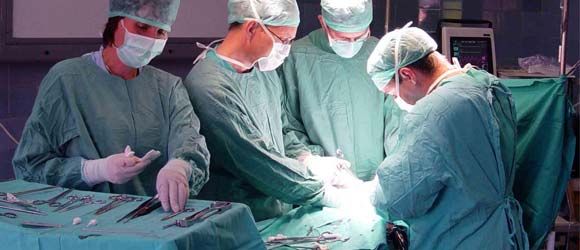
For both men and women
Traditionally, cosmetic surgery has been associated only with women, but now men can also use it to enhance their self-image; in fact, about 13% of the aesthetic interventions are demanded by men. Men aim to give more tone to their bodies. More on beauty-wiki.org.
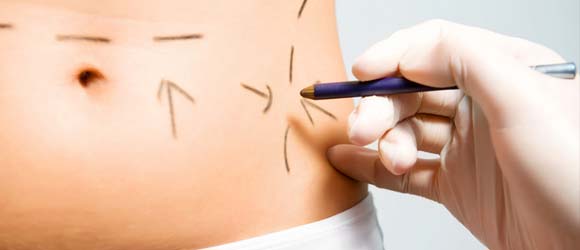
Usual suspects
In the case of women, liposuction, correction of the nose shape and breast augmentation are three of the most practiced cosmetic surgeries in the world. From time to time, each of these interventions gains first place at the expense of others.
Your health is the first concern

Breast surgery
Breast surgery is an umbrella term for several types of cosmetic surgery procedures.

Certified doctors
Cosmetic surgery can be practiced by non-specialists, doctors who are not plastic surgeons.

Price decision
Do not let the price be the deciding factor when choosing your surgeon, take the right precautions.

Recovery
Make sure you understand the surgery procedures and the recovery details after the operation.

Risky surgery
Any surgery is a real operation, accompanied by risks and benefits that you should know.

In short
The woman or man who ventures to be reshaped or to have a fresh appearance does so at her own risk.
Take your time to look for and find the right surgeon!
Learn about breast enlargement in Prague, breast augmentation abroad and various types of silicone breast implants. Breast enlargement or breast implants are an ideal solution for many women with small breasts.
Breast augmentation abroad, also known as breast enlargement, involves the surgical placement of an implant behind each breast to increase its volume and enhance the breast’s shape. Breast augmentation is requested by women who perceive their breasts to be too small or sagging.
Types of breast implants
Basic types of breast implants by shape:
- round (they can be placed either under the gland or under the muscle)
- anatomic –teardrop (they are placed partially under the muscle)
- asymmetric (Different implant for each breast. They are always placed under the gland.)
Basic types of breast implants by filler:
- silicone cohesive – silicone gel (its advantage is the silicone cohesiveness inside the implant)
- silicone liquid (it is not used anymore)
- saline (Minimal use in the Czech Republic. The advantage is its small incision because the implant is filled with the saline after its placement.)
- combined so-called Baker’s expanders (They contain silicone gel and are filled with saline through a special valve. They can be used, for example in surgeries for transsexuals.)
Nowadays novelties in the implant fillings field occur regularly. Various substances are being tried and used as fillings, including soya-gel and hydrogel. These new types of implants aren’t in regular use yet.
Basic types of breast implants by surface:
- smooth (as a rule they are not used in the Czech Republic)
- textured (the implant has a “velvet surface” with the idea it will grow into the breast and not move inside the breast. These implants have a smaller risk of capsular contracture creation.)
- polyurethane
- titanium (they are not commonly used, but have a good tolerance within the body)
Basic types by profile:
- moderate
- high
The size of the breast implants is indicated in mililitres. The choice doesn’t depend on size but on dimension. The selection depends on many factors, such as the woman’s figure, height, width of her chest, figure proportion, size of pelvis, size of mammary gland and of course, the patient’s wishes. The most popular sizes in the Czech Republic are 200 – 300ml. (Implants from about 100ml to 1000ml are available.)
To see what size might be right for you, use a plastic bag that can be filled with liquid or boiled rice. Put it into your bra to help you choose the correct implant size.
Most commonly used brands of silicon breast implants are:
-
McGhan/Inamed
- Mentor
- Polytech
- Eurosilicon
All implants have their own passport – a document that states the number and size of the implant. This passport is given to every patient after the surgery.
What does the breast implant look like?
The implant is formed with an outer pocket made from polymerized silicone gum, which is very firm and elastic. The pocket contains one more inner layer, which guarantees a higher resistance to rupture and the minimum permeability of particles. The surface can be smooth, although at present implants with textured surface are preferred. They have pores of a certain size and depth and now also have a smaller risk of capsular contracture creation. A titanium film may be on the surface of the implant (which lends itself to good tolerance with the body) or polyurethane. Inside the pocket there is soft cohesive silicone gel, saline, combination of both or even one of the other substances mentioned above. The cohesiveness of silicone gel particles enables the implant to keep its shape, lowers the risk of permeability of silicone micro-particles through the pocket and avoids the possible leakage of silicone in the event the cover ruptures. The silicone gel filled implant is used most often because of the reduced harmfulness risk on the body from silicone.
Price of breast implants
The price of breast implants ranges from about 18,000 to 50,000 CZK depending on the type of implant and the producer. For round shapes, the price ranges from 18,000 to 28,000 CZK and from 40,000 to 50,000 CZK for anatomic shapes. Prices are independent of size.
Breast augmentation abroad
When choosing a surgical procedure consider the following options.
The placement of the incision:
- below the breast in the infra-mammary fold
- through the areola
- in the armpit
-
in the area of navel (umbilicus approach, not used in the Czech Republic)
The choice depends on the desire and preference of the patient and on the usual practice of the clinic.
The placement of the implant:
- under the mammary gland
- under the muscle
- partially under the muscle
Both methods (under the muscle and under the mammary gland) have their advantages and disadvantages. The choice depends on the quality and size of the gland, the quality of the skin and the subcutis, as well as the strength and quality of the muscle. The implant coverage has to be sufficient. If it is not sufficient, the implant can be visible and won’t look aesthetically pleasing. The pre-surgery consultation is intended to harmonize the patient’s ideas with real possibilities in regards to their body proportion, and with the advice of the surgeon.
For more information about breast enlargement abroad or breast augmentation in Prague please take a look at the linked pages.
The process of breast augmentation
In most cases, breast augmentation will be performed under general anesthesia. The surgery usually takes one to two hours and one to two days stay in hospital may be needed.
The method of inserting and positioning your implant will depend on your anatomy and your surgeon’s recommendation.
The three-four cm long incision can be made either in the crease where the breast meets the chest, through the dark skin surrounding the nipple or in the armpit. Every incision is made carefully so resulting scars will be as inconspicuous as possible.
A pocket in which the implant is inserted is created through blunt tissue preparation.
Some of the clinics abroad even use endoscopic technique by augmentation. The access for this technique is through an incision in the armpit or in the navel area.
The pocket will be filled with the implant either directly behind the breast tissue or underneath the chest wall muscle.
The size of implants must be carefully chosen in order to be fully covered by the breast tissue. Otherwise the edges of the implants can be easily seen and makes for a very unnatural look.
The cessation of bleeding is very important to avoid further complications – an undesirable capsule, a scar or poor coverage of the implant.
Drainage tubes may be used for several days following the surgery; it depends on the practice of the clinic and on the surgeon.
To close the wound, different sutures are used (mostly intradermal, eventually separate;) they are removed seven to 10 days after the surgery.
How the wound is covered is also up to the practice of the clinic. After the surgery, the breasts are fixed day and night with a special bra. It is recommended to wear this bra four to eight weeks after the surgery. For one month after the surgery, sleeping on your back and limiting sport activities is also recommended.
Are you a good candidate for breast augmentation?
Breast enlargement by means of implants is a very effective procedure. It is suitable for women with insufficiently developed breasts or when the mammary gland system is shrinking, as may be the case following breast feeding or a significant weight loss.
The optimal age limit for surgery varies. It is generally done after the development of the mammary glands is complete, which is usually after the age of 16.
It is certainly better to insert the implants into breasts that won’t change by potential breast feeding. Although it doesn’t eliminate the possibility to undergo breast augmentation before pregnancy; you have to take into account that lactation and pregnancy will change the size and quality of the mammary gland and therefore the surgery will probably need to be redone. It is better to undergo breast augmentation at least one year after the delivery and breast feeding.
Breast implants have no influence on the fetus and they do not expose it to any danger. The presence of implants does not hinder the ability to breast-feed. Studies done worldwide have not found an increased content of silicone in breast milk.
Some women request the implants to be placed as close to each other as possible to create a sexy line between the breasts. Unfortunately this effect is caused by the body’s constitutionand by the distance between the mammary glands therefore it is not possible to create it on demand.
Before breast enlargement
During your initial consultation, your surgeon will explain the surgery in detail. He will explain which surgical technique is most appropriate for you based on the condition of your breasts and skin tension. He/she will also show you before and after pictures and different types of implants.
If your breasts are sagging, the surgeon may also additionally recommend a breast lift. The surgeon will also inform you which implants he or she will use and which size is appropriate for you to achieve the best result.
Because it is a surgery performed under general anesthesia a pre-surgical examination including a laboratory examination and EKG by a general doctor or internal specialist is necessary. The exam should also include a detailed health history i.e. family diseases, diseases that you have had, allergies etc. At some clinics it is possible to have these examinations done in the morning the same day of the surgery.
Before the surgery it is also necessary to eliminate the possibility of breast illness by ultrasound (sonogram) or mammogram examination depending on the patient’s age. They are performed by special oncological and gynecological clinics. This is mostly done if you are a high risk patient due to a family history of breast cancer.
Your surgeon will give you instructions to prepare for surgery. You should avoid drinking and eating 6 hours before the planned surgery. Any medication containing acetylsalicylic acid (such as Aspirin, Acylpyrin, Alnagon, Mironal etc.) can increase bleeding during and after surgery They therefore shouldn’t be taken for about a week before the planned surgery. It is not good to undergo the surgery during menstruation, although it is not a reason to postpone the surgery. It is appropriate to consult your gynecologist concerning quitting birth control. Today’s opinion is to keep taking birth control pills and preventively taking medication against blood coagulation – low molecular heparin (e.g. Fraxiparin, Clexan, Fragmin.)
It is assumed that no acute illness (viral illness, cold, etc.) will have occurred in the period at least three weeks before the planned operation. Report any illness to your doctor.
If you smoke, plan to quit at least one or two weeks before your surgery and do not resume for at least two weeks after your surgery.
The day of the surgery you should come with your armpits shaved, if the surgical method has been agreed upon. Bring any medication that you take with you for 2-3 days, hygienic items, shoes, pyjamas, ID papers, and an elastic bra without wire support that’s the same size as the chosen implants. Some clinics have them for sale. Clothes that need to be put on over the head are not suitable for the hospital stay. Putting on such clothes after the procedure might be very painful.
While making preparations, be sure to arrange for someone to drive you home after the surgery and to help you out for a day or two if needed.
The costs of the surgery are usually paid for on the day of arrival, before the procedure. An advance deposit is paid at the booking date. Everything depends on the rules of each particular clinic. Since it is an elective surgery, it’s not covered by insurance companies. It is also necessary to take some days off of work because it is not possible to receive a sickness leave.
After breast enlargement
You are likely to feel pain for a few days following your surgery. The pain is more intense when the implant is placed under the muscle. You will take painkillers for two to five days following the surgery; the pain will slowly recede.
You will probably be released from the clinic after one or two days. Before you leave, the bandages may be changed and the drains removed. That will depend on the clinic and your surgeon. The sutures are usually removed during the check-up in seven to ten days.
It is recommended to wear an elastic bra. You will usually get it at the clinic where the procedure is performed. The length of time to wear it is decided by the surgeon. It is usually 4-8 weeks after the surgery and following that, during sport activities. The surgeon may sometimes recommend a medical belt. It is usually used if the implant was inserted through the armpit, and so it squeezes the formed canal. It can also be used if placement of the implant was under the muscle, so that it pushes it downwards, and generally in other situations when the bra is insufficient. The need and length of time to wear it is again set by the surgeon.
The recommendations of breast massages after the surgery vary, depending on the clinic and the type of implant. Some surgeons don’t recommend them at all. On the contrary long lasting pressure massages of the scars are recommended. It is recommended to wash the breasts only after the wound is healed.
Stay relaxed and quiet during the first week following surgery. Have someone help you with the house and kids for the first few days.
You can resume routine activities and lighter house work in 10-14 days. It also depends on the feeling of pain. Avoid lifting your arms over a horizontal line for 6 weeks.
Heavier work, lifting heavy loads, exercising, weightlifting and other sport activities are recommended gradually after two months following the surgery and while wearing the elastic bra. Intimate intercourse should be done very carefully within the first month after the surgery.
It is possible to visit a solarium or sun tan 14 days after the surgery, it is better though not to rush these activities too much. The scars must be covered with plaster or treated with a high SPF sunscreen for a minimum half a year following the procedure.
You should be able to return to work within 10-14 days, depending on the level of activity required for your job.
The result of the augmentation is considered permanent after three months.
If the breast skin is dry after the surgery, you can apply hydrating creme several times a day. Be careful not to tighten the skin while doing any specific movements and avoid contact with the stitched area.
You should see your surgeon immediately if your breast shape changes, the consistency changes (your breast becomes hard) or any inflammation appears. A visit to your surgeon is also recommended after any severe trauma to your breasts (car accident, fall etc.) Regular check-ups are done after one month, after three months and after one year. A check-up after 10 years also includes an ultrasound examination. The check-up system depends on each clinic. Some clinics have no check-ups at all.
Always be sure to follow your doctor´s instructions.
The implant covers approximately 20% of the mammary gland tissue during a mammogram. That’s why it is a good idea to consider another examination technique such as a sonogram (ultrasound) or magnetic resonance.
Patients that have undergone breast augmentation with implant placement must not undergo diathermy (medical organ heating through high frequency electric current.) The implant could become extremely hot and could cause inner burns and eventually the rupture of the implant.
General complications
Each surgical procedure has its possible complications and we have to consider them, although they appear in a low percentage of cases. General anesthesia has certain risks, which will be explained to you by your anesthesiologist before the planned procedure.
There are complications concerning the healing and possible infection of the wound around the area of the implant. There have been documented cases when the implant had to be removed because of infection.
Another surgical complication might be bleeding. That’s why a laboratory examination of blood clotting before the surgery is essential. Also staying in a calm environment after the procedure is important. Another problem can be scar healing.
A serious complication that can occur in any surgery in which the patient is under general anesthesia is a so-called pulmonary embolism – blocking of the pulmonary artery with a blood clot. For prevention, doctors use elastic bandages on the legs and movement soon after the surgery, the best is the first day. Hormonal birth control raises the risk of thrombosis, so it is possible to stop it or take medication against blood coagulation – low molecular heparin (e.g.Fraxiparin, Clexan, Fragmin.)
Some patients are more likely to receive so-called keloid or hypertrophic scars. Sometimes a correction may be necessary, which is relatively difficult in these types of scars.
Breast augmentation is performed with the arms stretched. Patients can sometimes feel pain shooting into the forearm and hands after the surgery. It is caused by the tension of nerves running from the armpit to the arms. These problems are temporary and fade away after few days or weeks.
Complications concerning the implant placement
Capsular contracture
It is the most often described and feared complication of breast augmentation. A fibrous cover – capsule is always formed around the implant. The tissue reacts naturally to the foreign element of the body. The capsules form in all patients and they can be thin or thick. Its creation is individual. In 5% of cases the capsule can start to shrink – this is capsular contracture around the implant. It is accompanied by pain and a firmness to hardening of the breast. This phenomenon can occur in one breast or both breasts. There are ways to avoid the forming of a capsule or at least minimize its creation. It is for example important to ensure a sufficient size of the cavity for implant placement. Also implants with a textured surface reduce the risk of capsular contracture. The shrinking capsule often has to be treated surgically. There have been documented repeated cases of capsular contractures around the implants and sometimes the rigidness can repeat so that the only possibility is the removal of the implant .
Prolapse (expulsion) of the implant
The skin is in permanent tension in the area of the wound. The size of the implant can also cause a progressive thinning to breakage of the skin and therefore the prolapse of the implant. This complication is more common in patients whose skin has been damaged in any way or scarred for example by irradiation from tumor disease.
Serom
This is the creation of liquid around the implant immediately after the surgery or later. It is manifested by pain and breast enlargement. The reason is most often physical strain after the surgical procedure, excessive sport activity or injury.
Blood coagulation around the implant – hematoma
A collection of blood around the implant is mainly caused by disobeying the relazation orders after the surgery or defective blood coagulation.
Burst and penetration of the implant
The approximate durability of an implant set by the producer is around 10-15 years. The implant slowly wears out and its surface thins, which can cause it to burst. The breast can change its shape and will hurt. In such case a change of the implant is necessary. A breast rupture can also be caused by injury, accident or extreme sport activity. Microscopic particles of silicone can penetrate through the gel filled implant’s external cover. These particles have been found around the implant and even in other parts of body. No harmfulness has been proved.
Shrinkage of the implant
The shrinkage of the implant cover is manifested by small folds that can be touched under the skin. It can be painful and big folds can irritate the surrounding tissue. It is a problem for skinny patients with a thin skin layer, very small mammary gland and in cases of implant placement under the gland.
Sensitiveness of nipples
The change of sensitiveness of nipples, either increased or decreased is often described by women after the surgery. In most cases it gets back to normal in several months to one year. The change can be sometimes permanent.
Breasts asymmetry
Even breasts enlarged with an implant can droop or sag after some time. Also asymmetries may occur, when one side droops more than the other. It can be caused by disobeying instructions after the surgery but also for other reasons. The implant can change its position through the movement of breast muscle right after the surgery. A higher risk of such a shift is threatened by teardrop implants.
Calcification
Small particles of calcium may appear around the implant. They can be confused with a beginning stage of breast cancer.
Tiny thrombotic vessels
Tiny vessels in the armpits or under the abdominal wall blocked by thrombus may appear after the surgery. They disappear naturally within several months.
Can silicone implants be harmful for body?
There have been made many studies concerning the harmfulness of breasts implants. All the substances that form the implant have been gradually studied and examined. This includes silicone, polyurethane, which is part of the cover of some implants, and platinum, which is used by polymerization of silicone gel. None of these substances showed explicit carcinogenic effect, i.e. ithey don’t cause tumor malignancy. Further studies have been done for any relation between implants and rheumatic and autoimmune diseases, again none have been proved. Elementary silicone occurs normally in parts of the blood, breast milk, connective tissue and most organs. Its content in the body depends on a person’s diet, geographic conditions, quality of drinking water or beer consumption. Also mothers that breast feed with silicone implants do not present any risk to their babies. Silicon is part of nursing bottles, dummies, spoons and other medical products.
How long will the effects of breast augmentation last?
The final breast augmentation is permanent, if there is no change in weight and proportion of breasts (see the above mentioned pregnancy.) Regarding the change of quality of the implant after 10 to 15 yearsor the increased possibility of an implant rupture (burst), it is necessary to consider the possibility of implant replacement. Breast augmentation is a personal, serious decision, and a permanent one. If you have planned carefully, worked with your doctor and followed his instructions, then your surgery should be a successful one!
The future of implants
At Illinois University in Chicago stem cells isolated from bone marrow were stimulated to grow along the supportive skeleton, which is made out of biologically tolerant material. Due to this form the cells have reproduced into previously selected shapes. Such cultivated forms from fat tissue has already been tested on mice. It is assumed that these implants grown from stem cells will be a safe alternative to silicone implants.
Breast enlargement by filling it wiht a person’s own fat or by transplantation of their own muscle has already been performed at some clinics worldwide. There haven’t so far been any experiences with such a technique in the Czech Republic.
Both men and women occasionally wish to have their genitals altered through surgical means. In women it is usually vaginal surgery, surgery of labia minora or majora or hymen reconstruction surgery. Men usually wish to have the size and volume of their penis changed, or perhaps circumcision.
Female Genital Surgery
Vaginoplasty
Generally speaking vaginoplasty is the modification of the female vagina. The most frequent procedure is the narrowing of the vaginal opening. This specific narrowing of the vagina can lead to it becoming more firm.
The goal of this surgical procedure is to provide the patient with a better sex life.
This surgery is usually performed in middle-aged women who have given birth. The vagina and vaginal opening has loosened because of the birthing process and increasing age.
The procedure is performed under general anesthesia and usually lasts 45 minutes. It is performed using the following technique: In the area of the vaginal opening, on its back side, an excision of tissue in various sizes (according to the wish of the patient, anatomical findings, etc.) is made. Then the wound is sutured. It is better to make the extent of the excision bigger and therefore narrow the opening more because it is common that the vaginal opening will widen slightly again.
If the incision is expanded even to the back of the vaginal wall and in different lengths, we can contract the whole vagina in this way. This surgery is also performed under general anesthesia, it takes about 1.5 hours.
The surgery does not only involve the mucosa, but it enters into the muscular layer of the vaginal wall. First, the vaginal mucosa is excided in the needed (chosen) extent; next, the muscular layer of the vagina is firmed and shortened. The last phase of the surgery is to suture the vaginal mucosa. The same procedure is valid regarding the extent of the excision as is mentioned in the correction of the vaginal opening. During this surgery, the prudence and experience of the surgeon is critical because of the vagina’s proximity to the terminal part of colon. This is necessary to prevent the creation of a so-called rectovaginal pouch.
Both methods of surgeries use absorbable suturing material. Following the surgery, it is recommended to avoid sexual intercourse for up to six weeks. More information about vaginoplasty abroad can be found here.
Labiaplasty
Labia minora
This term refers to the surgical modification of the inner and outer lips of a woman’s vagina.
The labia minora in women often protrudes between the labia majora and may reach an unbelievable size. The goal of this surgery is to reduce the protruding inner lips, and in severe cases, sometimes even almost completely remove them. Because of their function we do not recommend their total removal.
The surgery is not especially difficult; it can be performed under local anesthesia, analgosedation, or if needed, under general anesthesia. We use absorbable material for the sutures and don’t recommend sexual intercourse for about one month.
Labia majora
There are several solutions:
- Filling of the labia with a person’s own fat. This procedure usually must be repeated because your own fat can be quickly absorbed; usually due to frequent sexual intercourse.
- Another method is the skin reduction of the labia majora. Here, the incision is usually made in the inner side of the labia minora.
- A combination of both methods.
It is possible to perform all the above surgeries under local anesthesia, although it is better under analgosedation or general anesthesia. More information about labiaplasty abroad can be found here.
Hypertrophic (excessively large) labia majora
This most often occurs in young women. There are also several solutions:
- Liposuction
- A surgical reduction, when the incision is done the same way as in the skin reduction of an atrophic labia
- A combination of both methods.
Hymenoplasty – Hymen reconstruction surgery
Much could be written about the reasons women decide to undergo this surgery.
There are several methods, although it is impossible to fully reconstruct the real hymen. The only goal of this surgery is bleeding during sexual intercourse so the man believes he was the first man for his partner.
Usually, a thin, short and small flap of mucosa is separated from the vaginal wall (approximately 1/3 of vaginal width.) It is then sewed very gently to the opposite vaginal wall. In this way, the vagina is not blocked too much to interfere with menstruation; but at the same time, the woman will bleed during sexual intercourse.
The surgery is not difficult for an experienced surgeon. It is better to perform the surgery under general anesthesia. More information about hymenoplasty abroad can be found here.
Male Genital Surgery
Foreskin
Circumcision
– Total (complete) removal of the penis’ foreskin; the foreskin is removed to the extent that the glans penis is uncovered. The sutured surgical wound is under the glans penis. More information about circumcision abroad can be found here.
Common reasons for this surgery include:
- ritual – religious (Jews)
- medical – the need for a circumsion for medical reasons is rare
So-called Burian Plastic Surgery
– An incomplete foreskin removal that is combined with the enlargement of the opening of the foreskin flap for the glans penis.
This type of procedure is usually done for medical reasons:
- Phimosis (the foreskin of the penis cannot be fully retracted over the glans penis – the narrow opening may occur for different reasons – injury, chronic inflammation, congenital)
- Paraphimosis (the foreskin becomes trapped behind the glans penis and cannot be pulled back)
It is possible to perform both types of surgeries under general anesthesia with several hours or a one day stay in hospital. It can also be performed under local anesthesia as an out-patient procedure, when the patient goes home after surgery. The sutures are not removed as they are from an absorbable material. Sexual abstinence is necessary for approximately 3 to 4 weeks.
Many men have questions relating to the possibility of a penis enlargement or extension. It is necessary to keep in mind that this surgical procedure has its difficulties; and the risk for complications is great. If complications do occur, they can lead to irredeemable penis damage, not only anatomically but also functionally (penis deformation, erection defects, etc.)
Penis Enlargement
Extension
– And perhaps even enlargement of the penis in volume. It involves several procedures; usually a combination is best.
- The least penetrative is a simple liposuction in the area of the penis root to achieve a satisfying result. The risk of complications is minimal in this method, almost none.
- The separation of columns of erectile tissue in the penis from the pubic bone is another method. This is much more penetrative; the incision is made above the penis root. The separation of erectile tissue in the penis is not totally without risks though and it can lead to an increased danger of penis injury during sexual intercourse. The erection itself can also be negatively influenced by this procedure, which is an additional complication of this surgery.
It is necessary to wear a special weighted bandage to retain the achieved state for several weeks after this procedure. If this bandage is not worn, the penis could shorten back to its original size during the healing process.
Size enhancement
The most advantageous method is to use one’s own tissue – usually a fat tissue:
- Lipofilling – the most gentle, a method with the least amount of complications, but also with the smallest and shortest lasting effect
The tissue is taken from the lower abdomen (for example) and is injected with subcutaneous injections into the penis.
- Corium Fat Implants – skin with subcutaneous fat is inserted through small incisions without the top layer epidermis into the hypodermis of the penis, along its sides.
This tissue is taken from the area of the lower border of the buttocks – elliptic tissue excision from both sides. The wound is sewn; the resulting scar is hidden in the fold under the buttocks.
This method comes with a high risk of necrosis of implanted tissue, purulence and so on; on one or both sides. An adequate cool and calm mode is necessary for 4 to 8 weeks. The effect is more visible and longer lasting. More information about penis enlargement abroad can be found here.
- Other methods are various penile implants that enhance the volume but also the penis function however this is more urologic than cosmetic.
It is always necessary for doctors to know precisely what the patient has in mind; regarding both the result and the reasons for the desired surgery. Knowing this, we can hopefully meet the patient’s expectations; or inform them of the true possibilities. This is true for all cosmetic procedures.
Right choice of breast implant considerably influences short and long term results of breast augmentation. Complications caused by implants are the reason of 1/3 re-operations in first 5 years.
Implants differ by surface, cover, filler and form – shape.
Surface of implant
Most implants have surface made of silicone, with exception of implants covered by a thin titan layer (no more on the market) and implants with polyurethane surface. They are rarely used because they grow together with surrounding tissue so strongly that they are practically irremovable.
The surface can be smooth or rough. A whole range of studies affirm that implants with rough surface have lower appearance rate of capsules (Baker III and IV). Roughness of the surface is different at different manufacturers and all of them declare their surface to be the best protection against capsules.
Cover of implant
The cover of implant is always made of silicone. It can have one or more layers. Theoretical advantage of covers with more layers was not clinically approved.
Content of implant
Implants contain either silicone, physiological solution or hydrocoloid fluid. Implants with hydrocoloid fluid are rarely used and it is therefore not necessary to describe them in detail.
In Europe are used 96% of implants filled by silicone and approximately 3% by physiological solution. Aesthetic results of implants filled by physiological solution are always worse than implants filled by silicone.
Liquid silicone was used in the past, nowadays it is so called cohesive gel (silicone builds long chains). Advantage of this filling is its relative tough consistency – it does not leak if the cover is damaged (silicone bleeding). Disadvantage – very relative – it is necessary to make longer incisions because of its higher toughness. Implants are filled from 80 to 100%, those with lesser quality contain even smaller amount of silicone. Insufficiently filled implants, above all implants with rough surface represent the main reason of rippling on the skin under the implant. Original implants were round and even today mostly implants with this shape are used.
Shape of the implant
Implants with oval – anatomic shape appeared already in the last two decades of the last century, however without success. In the nineties, company named McGhan – now Inamed started a massive campaign aimed on using these implants. Nowadays this company offers 16 different shapes of implants.
Theoretical advantages of oval implants are obvious – more natural shape, it should form the breast better when the chest is longer or breasts slightly sagging. Disadvantage is their relatively high price, they must be placed exactly, the pocket created for the implant must not be too large – the implant could turn around. However in practice we see that even small pressure changes oval shape into round and the whole effect can be only minimal or even none.
The question of lasting quality of implants, so heavily discussed on these pages, can not be answered explicitly. It is not true that half of the implants must be replaced as early as after 5-8 years. But it is also not true that modern implants do not have to replaced at all. High quality implants last definitely longer than implants with interior quality. Material of implants wears off, same as any other material, and its durability depends above all on its mechanical stress. Implants of women who exercise, play sports and above all tennis, wear off faster. The cover thins unevenly and small cracks appear.
These cracks cause the silicone to flow out of the cover and the breast shape to change. This danger does not exist in case of cohesive gel. In my opinion, the real cause of the implant rupture is its damage during the operation. The biggest study concerning implants defines the implant rupture as the cause of reoperation in first 6 years at 1% of patients! Fa mentor – more than 80.000 patients).
Also the Inamed company provides 10-year guaranty for the implants with cohesive gel.
This short review shows how many technical factors influence the choice of implants. The most important of them is however the human factor – experience of surgeons and their aesthetic feeling.
Elizabeth Anderson had to act fast when she learned she had advanced breast cancer in April 2009. Just one month after her diagnosis, she had a bilateral mastectomy, a surgery removing both of her breasts.
“With a Stage 3 diagnosis it was either breasts or life. There was no decision to be made. I had to take them off,” recalls Anderson, a 47-year-old fitness instructor from Naples, Florida.
Following the surgery, Anderson says, she had to mentally prepare before taking a first glimpse at her new body; she knew it would be difficult.
“I just stared at myself in the mirror for a few minutes saying, ‘It’s OK, it’s OK. This is what you had to do,’” she says. Anderson, who also had chemotherapy and radiation during the course of her treatment, was elated to finally be cancer-free, but says it was difficult to adjust to her new body.
She figured her days of having breasts were gone forever. She was not a good candidate for breast implants, not commonly recommended for women who have had radiation. Instead she wore breast prostheses, but found them to be cumbersome. Then, there was the emotional frustration.
“This is zero. This is scars on your chest. This is absolutely nothing,” Anderson explains. “As a woman, to look in that mirror and not see anything, it doesn’t feel right.”
During a chance visit to a different radiologist near the end of her treatment, Anderson was told about bilateral delayed breast reconstruction, a procedure pioneered within the last decade, where doctors re-create breasts using fatty tissue taken from other parts of the patient’s body, often from the buttocks, the abdomen or the back.
Anderson says neither her oncologist nor her regular radiologist mentioned this type of surgery while she was being treated, and none of the women in her survivor group had even heard of the procedure.
“They all looked at me like I had two heads,” Anderson says. “People were very surprised. They assume implants are the way to go.”
Seven in 10 breast cancer survivors may be unaware of reconstruction options
That’s actually pretty common, according to a survey from the American Society of Plastic Surgeons, which found that out of every 10 women who qualify for reconstructive breast surgery, only three are fully informed of their options.
Each year more than 254,000 American women learn they have breast cancer, according to recent estimates from the American Cancer Society, and many need a mastectomy to remove the cancer.
“Those who diagnose breast cancer and those who do mastectomy are separate from the plastic surgeons who do the reconstruction,” explains Dr. Frank DellaCroce, a surgeon at the Center for Restorative Breast Surgery in New Orleans, Louisiana, the place where Anderson’s breast reconstruction was performed.
“Integration of those two sides affords a global conversation with the patient before mastectomy,” he says.
“That is absolutely the case,” agrees Dr. Ann Partridge, clinical director of the Breast Oncology Center at the Dana-Farber Cancer Institute, who also does research on improving health care communication. “Medicine is not a solo-practitioner profession anymore; we need to work as teams for a better outcome.”
Partridge says there have been several new reconstructive breast therapies developed over the past several years, and though she agrees patients should be informed of them, she says in some cases if the patient doesn’t bring it up, the oncologist may wait to have this discussion, especially when radiation treatment is needed.
“Reconstruction, while important, is not a medical necessity,” she explains. “We as oncologists tend to focus on the treatment of the disease, and while in the throes of things, all [patients] care about is life or death.”
Partridge also notes that new therapies spring up in small pockets of the U.S., and if a therapy is not available in the city where the patient is being treated, it may not be considered a viable option by the oncologist. Anderson, for example, traveled from Naples to New Orleans for her procedure.
Partridge and DellaCroce agree that regardless of the circumstances, reconstruction should be discussed as soon as possible, because having the option is an important facet in the patient’s full recovery.
“When you lose some component of your physical self, you also lose some of your emotional self,” DellaCroce says. “To have the breast rebuilt erases some of the injury of a very difficult event, a diagnosis of breast cancer and the devastating deformities that can occur with mastectomy.”
‘I’ve got them back!’
Anderson says when she first learned about bilateral breast reconstruction, she turned to the web for more information and located a surgery center that could remove fat from her buttocks. She went for a consultation, and had to gain 23 pounds in order to have enough fat to form small C cups, one cup smaller than she had before cancer.
After living without breasts for 18 months, she finally got them back on October 21. Anderson will need one more surgery, a butt lift to close the gap where fat was removed, but for now she says her battle against cancer has come full circle.
“Gotcha cancer! You took them from me, but I’ve got them back!” Anderson says. “It’s amazing what doctors can do today. I’m absolutely thrilled I can just be normal. That’s all I want, is to be normal again.”
Where to find information on breast reconstruction ?
If you’re interested in learning more about breast reconstruction options and the risks associated with the various procedures, both the American Cancer Society and the Susan G. Komen Foundation answer questions about breast reconstruction after mastectomy on their websites.
Breastcancer.org provides photo images to help explain how procedures like implants and flap reconstructions work.
The Department of Health and Human Services has a chart detailing the surgery choices for women with early-stage breast cancer.
You can also find a board-certified plastic surgeon in your state by visiting the American Society of Plastic Surgeons website.
Keep in mind that the Women’s Health and Cancer Rights Act includes protections requiring insurance companies who offer mastectomy coverage to also provide coverage for reconstructive surgery.
The American Society of Plastic Surgery has a list of state laws concerning breast reconstruction.